
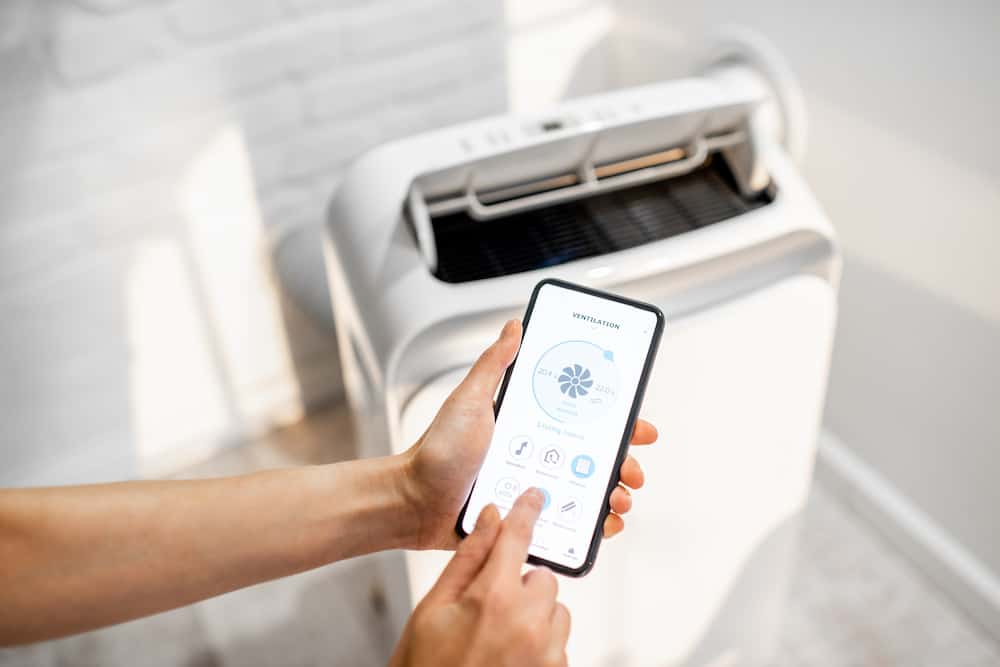
Air purifiers are very important in this day and age.
Not only did the pandemic open our eyes to airborne threats, but it forced most of us to stay indoors longer.
You may not know it, but you could be at a higher risk from breathing the air inside your home than outside.
Buying an air purifier to address this issue is a great first step, but what’s next?
There are a few things to consider before you can start enjoying its benefits to the fullest, like where to place air purifier devices in your home.
Where To Place Air Purifiers
When it comes to maximizing the advantages of an air purifier, it is not enough to identify the best model and specs for your home.
You need to ensure that it operates under optimal conditions by finding the right place for it.
In general, a well-placed unit is 20 percent more effective in cleaning the air.
On the flip side, an air purifier that is in a bad position works only half as well.
Where Should an Air Purifier Be Placed in a Room?
There are many brands available in the market, but regardless of what unit you bought and what room you want to put it in, there are two things you need to consider:
- Where is the biggest concentration of dust, smoke, and other pollutants in your home?
- Is there enough space around the unit for a sufficient flow of air?
The primary function of an air purifier is to clean the air, so it makes sense to place it as close as possible to the biggest sources of airborne pollutants.
You can ask for the assistance of an air quality specialist to identify these problem areas, but there are ways to tell for yourself.
Do you see any signs of mold infestations? Smell anything unusual in a particular part of the room?
Is your allergy acting up if you stay longer in certain areas?
If the answer to any of these questions is yes, you are one step closer to knowing where to place air purifier devices in the room.
You just need to consider the airflow, too.
How Can You Maximize the Air Flow?
An air purifier draws air, so it will do its job wherever it is in the room.
Still, putting it in a place with sufficient airflow can lighten the load and make it even more effective.
Do not place it in a corner or flush against a wall.
The wall will disrupt the flow of air, reducing it to as much as five percent. A safe distance is 15 centimeters.
The air inside your home can circulate not only horizontally but also vertically, especially if there are temperature differences.
It will help if you place the air purifier three to five feet above the floor to account for the air’s vertical movement.
It is best to close doors and windows to prevent turbulent air from disturbing the air purifier’s operation.
However, if you prefer to leave these access points open, put the device close by so it can trap contaminants before they are dispersed throughout the room.
Finally, while it is crucial for the air purifier not to interrupt foot traffic, resist the urge to stick it behind the couch or the table.
Again, the apparatus works best with ample space around it.
Are Air Purifiers Safe?
The most important factor to consider when deciding where to put your air purifier is safety.
Do not leave it where it will cause trip hazards, and set it on a flat and stable surface where it will not tip over.
Finally, make sure that it is at least five feet away from the microwave, TV, and other electronic devices.
Should You Leave Air Purifier on All Day?
Many people wonder if it is safe to leave an air purifier running all day or all night.
To answer this question, you need to know what type of air purifier you have.
Units like the Winix 5300-200 use the HEPA filter system, which does not heat up with prolonged use.
They also do not have components that present potential hazards if left unattended.
It is generally safe to leave them running on Low or Medium while working or buying groceries.
Other units use ionizers, and it is not a good idea to leave them running all day.
They usually have catalytic oxygenators that prevent ozone formation, but leaving them running for prolonged periods carries some risks.
Which Way Should Air Purifier Face?
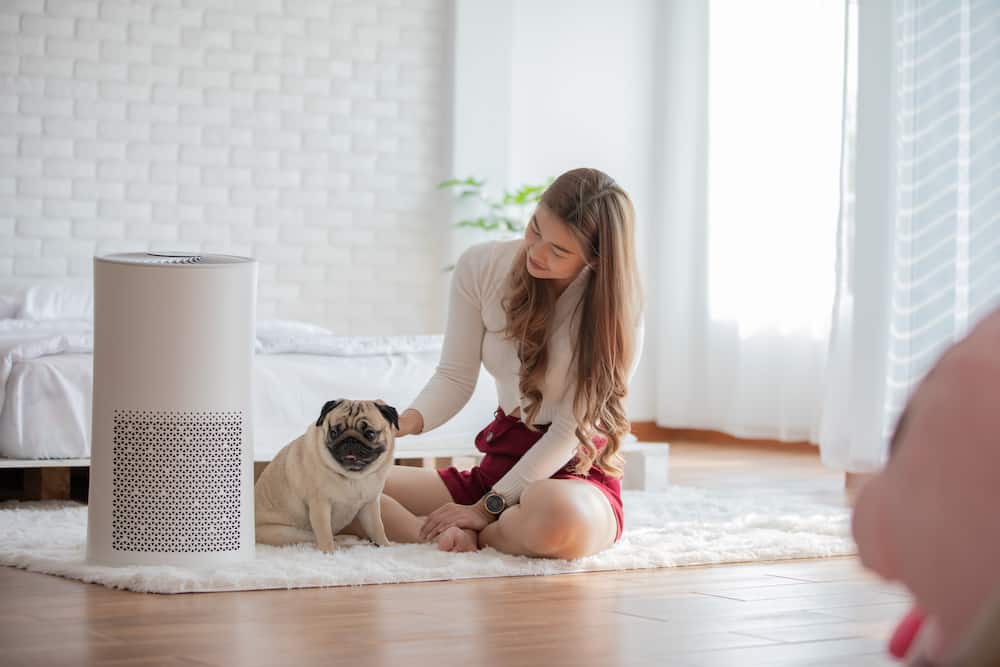
For best results, you should point the clean air toward your breathing zone.
For instance, if your air purifier is in the bedroom, it is best for the air intake to face the bed.
Doing this will ensure that you get clean air while you sleep.
However, if you leave it there all the time, it does not matter much where you point it as the device will clean the whole space anyway.
Larger rooms, like an office, are a different story, especially if the CADR rating of the unit is a bit low.
In this situation, you need to point the air purifier to your space, creating a pocket of clean air around you.
Is It Bad to Sleep Next to an Air Purifier?
Not only is it safe to sleep with the air purifier running, but it is actually sensible.
In fact, many brands offer units with a Sleep mode.
A good example is the Levoit LV-PUR131, which you can set to filter the air with a noise level that induces restful sleep.
You can also turn off the LED when in Sleep mode to prevent the glow from disturbing your sleep.
Conclusion
Figuring out where to place an air purifier in your home is pretty straightforward.
More than anything, the air purifier gives you clean breathing air, so you should put it close to sources of pollutants.
Sufficient airflow is also key in optimizing its performance.
With proper use, you can breathe easy in your own home, knowing that your family is safe from airborne threats.