

The basic concepts of an air purifier vs humidifier are relatively the same, but they have several differences.
Both appliances have unique ways of improving the air quality of your home, with one reducing contaminants.
The other is designed to add moisture to your environment to protect your skin and help with breathing.
Air Purifier vs Humidifiers
Let’s learn more about each appliance to see their differences and help you decide which among the two should you choose.
What Are Air Purifiers?
Air purifiers are easy to distinguish since they have the sole responsibility of purifying the air in your room or house.
They are specifically designed to trap contaminants ranging from dander to allergens to prevent allergies, assist with asthma, and more.
You’ll find two main components of this appliance: a fan and a filter, typically a HEPA filter.
Depending on the type of technology in your air purifier, the way it removes contaminants may differ.
Some appliances suck in the air, remove dust and other particles, then blow out clean air.
The newer models use innovative technology that inactivates pollutants while pushing clean air into the environment.
It can be tricky to shop for an air purifier since there are many different technologies, sizes, and brands to consider.
The main point to remember is that they aren’t designed for the primary purpose of adding moisture into the air.
Are Air Purifiers Really Worth It?
Air purifiers are a fantastic addition to any home, especially if you have respiratory illnesses and allergies.
Dust, dander, pollen, and other contaminants can make it challenging to breathe and generally uncomfortable.
Even without allergies, a home with low-quality air can cause significant blockages in your nose as well as watery eyes.
By investing in a purifier, you can get rid of harmful components in the air, so you feel healthier.
We also highly recommend finding one if you live in a city since it can help reduce the effects of inner-city pollution.
The Advantages of Air Purifiers
- Improved Air Quality
By far, the most significant advantage of air purifiers is their ability to transform the quality of air in your home positively.
Residents will immediately begin to notice a significant reduction in allergens and irritants that would otherwise cause respiratory discomfort.
With a HEPA filter, these devices can purify up to 99.9% of contaminants in the air.
- Reduced Housekeeping
One of the primary components that air purifiers combat is dust, which can be disastrous when cleaning your home.
Once you install your purifier, you’ll begin to notice significantly less dust settling on surfaces and hiding in nooks and crannies.
You’ll also find these devices to be convenient when managing smells in your home, such as odors from fragrant meals.
Pet owners will love air purifiers because they not only target dander from your pet’s waste but unappealing smells as well.
With that said, you’ll need a device that advertises it works well against odors in the home, rather than dust collection.
- Reduced Fire Hazards
Fires can often be due to an accumulation of dust near items that can get extremely hot.
Using an air purifier and reducing the amount of dust in your home, you are also reducing the likelihood of a fire.
Although these appliances aren’t a sure-fire way to avoid disaster, they can be significantly helpful.
The Disadvantages of Air Purifiers
- Ozone Emissions
An appalling concern to have with air purifiers is their ability to introduce ozone emissions.
Ozone is a toxic gas that typically occurs in the atmosphere but can also be harmful to your lungs.
Ionizing purifiers are the primary culprits because they emit ozone to eliminate chemicals and bacteria.
- Heightened Expectations
It’s often that you’ll see companies advertise the near-perfect results of their air purifiers, which are often false.
These devices are genuinely beneficial for warding off allergens and contaminants, but some particles are too small for purifiers to handle.
Traditionally, if you opt for a purifier that works against odors, it will be less effective at getting rid of pollutants and vice versa.
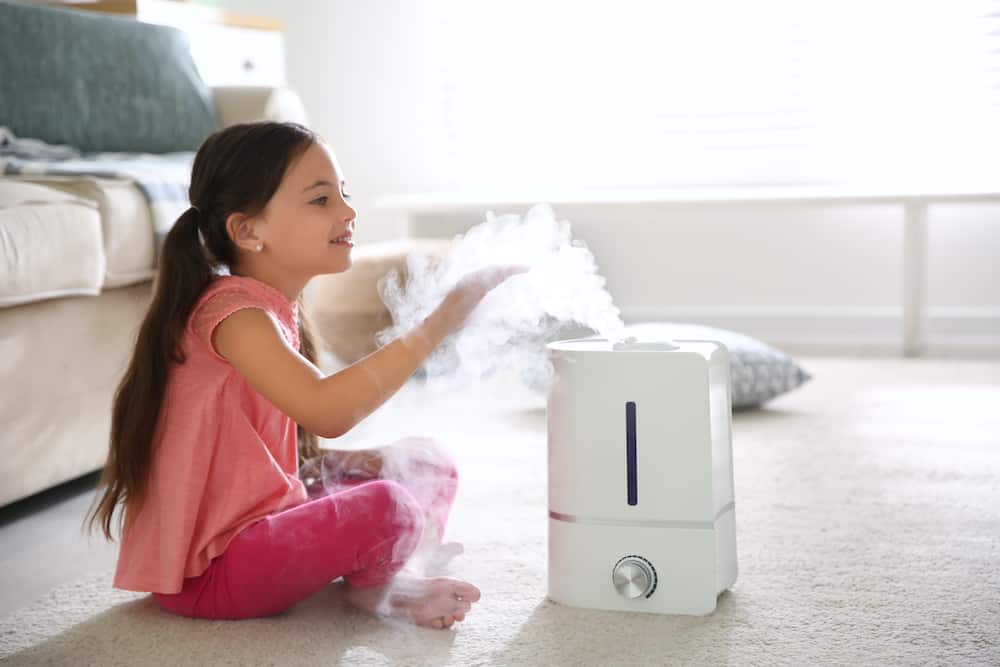
What Are Humidifiers?
Air humidifiers are a useful appliance to have in your home, especially if you’re experiencing extreme dryness.
You might have dry and cracked skin, higher static levels in your home, or a stuffed nose in the morning.
All of these effects could result from a lack of moisture, which can significantly impact your quality of life.
By adding vapor to your environment, you’ll likely experience better sleep, a more comfortable time breathing, and more.
Most modern humidifiers use ultrasonic technology, which pushes microscopic water droplets into the air.
Some devices also cause evaporation using a wick, a heating coil, and a fan.
By warming the water, it then evaporates and adds moisture to the air that you breathe.
Humidifiers are also a great addition to a household where people might be sick with illnesses like the flu or cold.
Do Humidifiers Improve Air Quality?
One of the most significant reasons humidifiers are so popular is their ability to improve air quality.
However, you must consider the quality of the water you use to maintain a healthy environment.
For example, tap water, which contains plenty of microorganisms, isn’t recommended because the humidifier can push the organisms into the air.
Also, the minerals in tap water can wreak havoc on your device’s interior components by causing significant buildup.
Alternatively, distilled water is often preferred for humidifiers since it’s purified and safe to breathe.
With that said, there’s little research into the health effects of using tap water in your humidifier.
Interestingly, humidifiers can also improve air quality when managing illnesses.
Research into the benefits of controlling indoor humidity has shown that moderate humidity levels can reduce the influenza virus’ survival.
This fact is also why plenty of hospitals use humidifiers as a significant treatment source for several ailments.
The Advantages of Humidifiers
- Winter Comfort
When cold weather approaches, you’ll likely begin to notice more static electricity, drier noses, and more.
These devices are essential to make your home more pleasant during the winter.
The more moisture you have in your home, the less likely you’ll experience uncomfortable respiratory symptoms.
- Healthier Environment
As mentioned, adding a humidifier to your home can be a great way to ward off contagious illnesses.
During flu season, you can rest assured that you can maintain your environment to prevent viruses from thriving.
- Furniture Protection
Did you know that humidifiers are one of the most-used appliances in interior restoration?
Librarians can also use them to promote ancient texts’ integrity because an adequate amount of moisture stops the paper from crumpling.
The same theory applies to your home when it comes to your furnishing and wallpaper.
Although you’ll need to manage moisture levels to prevent damage, maintaining the perfect humidity makes wood, wallpaper, and paint last longer.
The Disadvantages of Humidifiers
- Regular Maintenance
Although there are many health benefits to humidifiers, they can also be a hazard without regular maintenance.
You must keep your device clean by washing the water reservoirs, filters, and other components.
Otherwise, harmful bacterium, such as Legionella pneumophila, can thrive in its dirty environment.
- Excessive Moisture Levels
As discussed, you must monitor the moisture levels in your home once you introduce a humidifier.
Adding too much moisture can cause significant damage to your floors, walls, and furniture.
Ideally, you’ll want to maintain moisture levels between 45% and 50%.
Is There an Air Purifier and Humidifier in One?
If you’re not ready to give up the benefits of one device for another, we suggest investing in an air purifier and humidifier combo.
Although they can be more expensive since they do two jobs instead of one, they’re well worth the investment.
These unique devices allow you to purify the air while also adding moisture for a well-rounded experience.
By opting for a humidifier and air purifier combo unit, you’ll be able to save on having to buy two separate devices.
It’s simpler to refill your air purifier-humidifier than having to manage each separately.
You’ll also find your energy bill will be significantly reduced because there’s only one appliance being used.
The way that these devices work is similar to each appliance.
As air is pulled in the humidifier, it is cleansed and pushed back out into your environment.
However, instead of providing dry air, water droplets are added to create a clean vapor throughout your home.
You’ll find that combo units are typically larger than a standalone purifier or humidifier and cover a larger area.
That said, you can find smaller units with less moisture output, ideal for bedrooms and bathrooms.
Which Is Better Air Purifier or Humidifier?
When deciding between an air purifier and a humidifier, it’s essential to consider the pros and cons of an air purifier vs humidifiers.
If you need a device to eliminate contaminants and odors more than add moisture, a humidifier is a better option.
Still, it can be a good idea to consider a humidifier and air purifier combo because the device does both tasks simultaneously.